Archon Healthcare › Blog › What To Do / Not To Do
Winter Travel for Medical Treatment
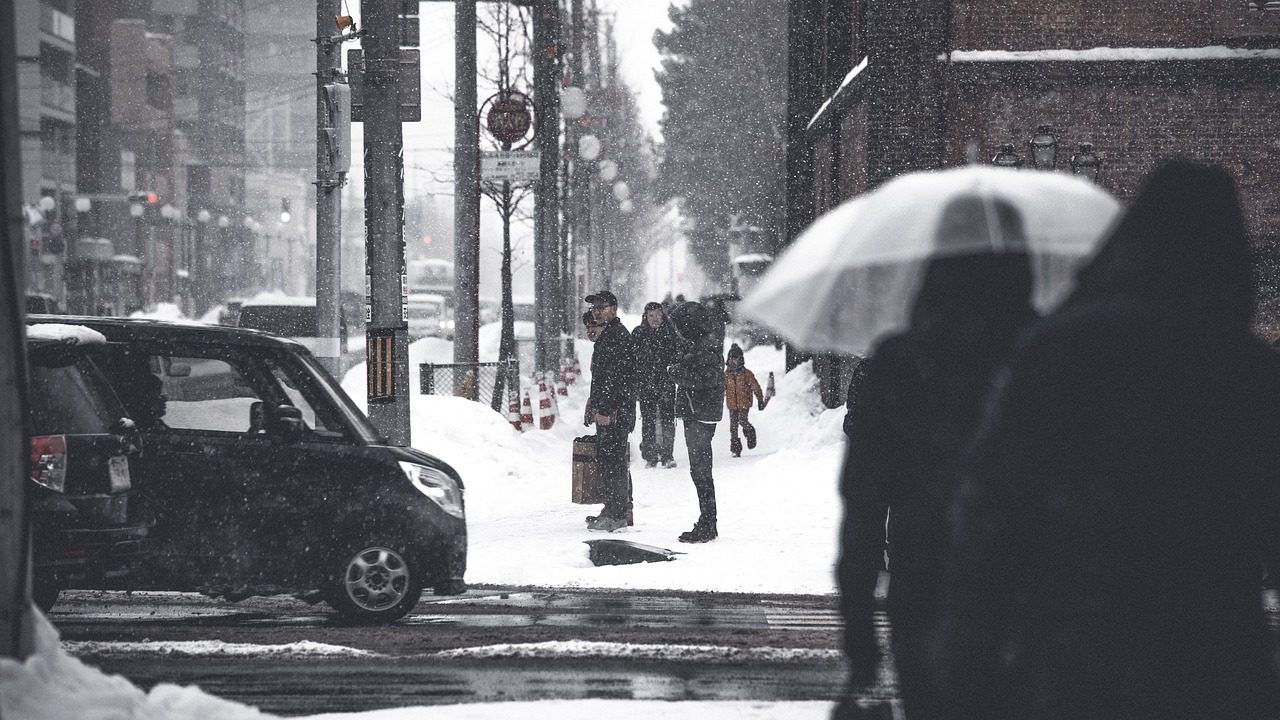
Winter travel for medical treatment — cold weather, flights, clothing and health risks Bangladeshi patients should prepare for before a winter trip. (Nov 2026)
Short answer (as of November 2026): Bangladesh has no real winter — but the countries you travel to for treatment do, and the cold can hit a patient hard. Winter travel for medical treatment needs different planning than a summer trip: freezing temperatures, shorter days, icy pavements, delayed flights, and dry indoor heating all add risks for someone who is already unwell.
Bangladesh has no real winter — but the countries you travel to for treatment do, and the cold can hit a patient hard. Winter travel for medical treatment needs different planning than a summer trip: freezing temperatures, shorter days, icy pavements, delayed flights, and dry indoor heating all add risks for someone who is already unwell. Whether you are going to Pakistan, China, Korea or Turkey between December and February, this guide explains what to expect and how to prepare, so the weather does not become a second illness.
Note: this article is general information for planning purposes and is not medical advice. Patients with heart, lung or circulation problems should ask their doctor about cold-weather travel before booking.
How Cold It Gets — and Why It Matters for Patients
In Dhaka, winter means a light sweater. In Islamabad, Beijing, Guangzhou, Seoul or Istanbul, winter can mean temperatures near or below freezing, biting wind, and snow or sleet. For a healthy traveller, that is uncomfortable; for a patient, it can be dangerous. Cold air tightens the airways and can trigger breathing difficulty, especially for patients with asthma or lung disease. Cold raises blood pressure and strains the heart, which matters for elderly patients and anyone with heart disease. Check the expected temperature for your destination and your travel dates before you pack, and ask your doctor whether the cold changes anything about your treatment or your medicines. Families planning the trip can read our patient journey guide to see how weather planning fits into the journey.
What to Pack and Wear
Pack for the destination's winter, not Dhaka's. The rule is layers: thermal underwear, a warm sweater, and a windproof outer jacket, rather than one very heavy coat that is hard to manage in a hospital. Bring a warm hat, gloves and a scarf — most body heat is lost from the head and hands — and wear warm, closed shoes with a good grip, because icy pavements and wet hospital entrances are slippery. Keep the patient's medicines in hand luggage, never in checked bags, and carry lip balm and a simple moisturiser, because dry winter air and heated hospital rooms crack lips and skin quickly. If the patient uses a wheelchair, bring a warm blanket for the ride between the hospital and the hotel, and ask for the airport wheelchair and special assistance in advance — it is free, and it keeps the patient out of the cold while waiting.
Flights, Delays and the Return Home
Winter is the season of delayed and cancelled flights: fog, snow and storms close airports with little warning. Book a morning flight where possible — delays build up through the day — and leave at least a full day between your arrival and your first hospital appointment, so a delayed flight does not cost you the appointment. On the return journey, the same rule applies: do not book a connecting flight with a short gap in winter, and carry the discharge summary, medicines and a few days' extra supply in hand luggage in case you are stuck overnight. When you land back in Dhaka, the sudden change from cold to warm can itself be tiring for a patient, so plan a quiet first day at home and a visit to your Bangladeshi doctor within the week. If you feel unwell during or after the journey, contact your doctor promptly rather than waiting for the scheduled visit. You can also ask about treatment travel planning when you are arranging a winter trip.
Staying Healthy Through a Winter Stay
A winter stay abroad is not just about clothing — it is about daily habits. Eat warm food and drink enough water, because cold weather quietly dehydrates you and hospital heating dries the air further. Avoid long walks outside in the coldest part of the day; plan hospital visits for late morning, when it is warmest, and use a car rather than walking between the hotel and the hospital. Wash your hands often and avoid crowded indoor places where you can — winter is flu season in most of these countries, and a patient with a weakened immune system catches infections easily. Ask your doctor whether a flu vaccination is sensible before you travel, and take it in Dhaka at least two weeks before departure if they agree. And watch the patient for the quiet signs of cold stress: shivering that does not stop, unusual tiredness, confusion, or very cold hands and feet — if you see them, get the patient indoors and warm, and call the doctor if they do not improve quickly.
Frequently Asked Questions
Is winter a bad time to travel for treatment?
Not necessarily. Hospitals work year-round, and winter is often quieter. But cold weather, flight delays and flu season add real risks, so plan for them: warm clothing, flexible flights, and a doctor's advice before you book.
What should a patient wear in freezing weather?
Layers: thermal underwear, a warm sweater, and a windproof jacket, plus a hat, gloves, a scarf, and warm closed shoes with a good grip. Avoid one very heavy coat that is hard to manage in a hospital.
How do I handle a flight delayed by winter weather?
Tell the hospital immediately so the appointment can be moved, and keep medicines and the discharge summary in hand luggage. Book morning flights and allow a full day between arrival and the first appointment.
Should a patient get a flu vaccine before winter travel?
Ask your doctor. A flu vaccine at least two weeks before departure is sensible for many patients, but it depends on the patient's condition and treatment, so the doctor should decide.
How Archon Healthcare Can Help
Archon Healthcare is Bangladesh's trusted bridge to world-class hospitals in China, Pakistan, Korea, Thailand, and beyond. We provide hospital referrals, treatment planning, transparent costing, medical visa assistance, and post-treatment follow-up.
Complete support beyond the hospital — in any country: Archon Healthcare does not stop at hospital referrals. Wherever your treatment takes you — Pakistan, China, Thailand, South Korea, Singapore, or any other country — we also arrange the practical side of the journey for our patients and their families:
- Trip arrangements — end-to-end planning of your medical trip, from schedule to return.
- Accommodation — comfortable stays near your hospital for the patient and attendants.
- Transportation & rides — airport pickup and local transport for hospital visits and follow-ups.
One team coordinates your treatment and your travel, so you can focus only on getting better.
📩 Contact us: info@archonhc.com
🌐 Website: archonhc.com
Explore Archon Healthcare
- Your patient journey in six steps — from first message to follow-up care back in Dhaka.
- Partner hospitals — Modern Cancer, Gil, Bayındır and Zhujiang.
- Partner with us — hospitals, clinics, corporates and referral partners.
- Archon Healthcare home — treatment areas, destinations and the Find Your Treatment Path tool.
Related articles
Ready to start?
It begins with a simple message — send your reports or just describe your case.
FOLLOW US
We're on your favourite apps too.
You've been exploring for a bit — follow Archon Healthcare for treatment guides, hospital updates and patient stories. Pick any platform: