Archon Healthcare › Blog › What To Do / Not To Do
Airport Wheelchair Assistance Guide
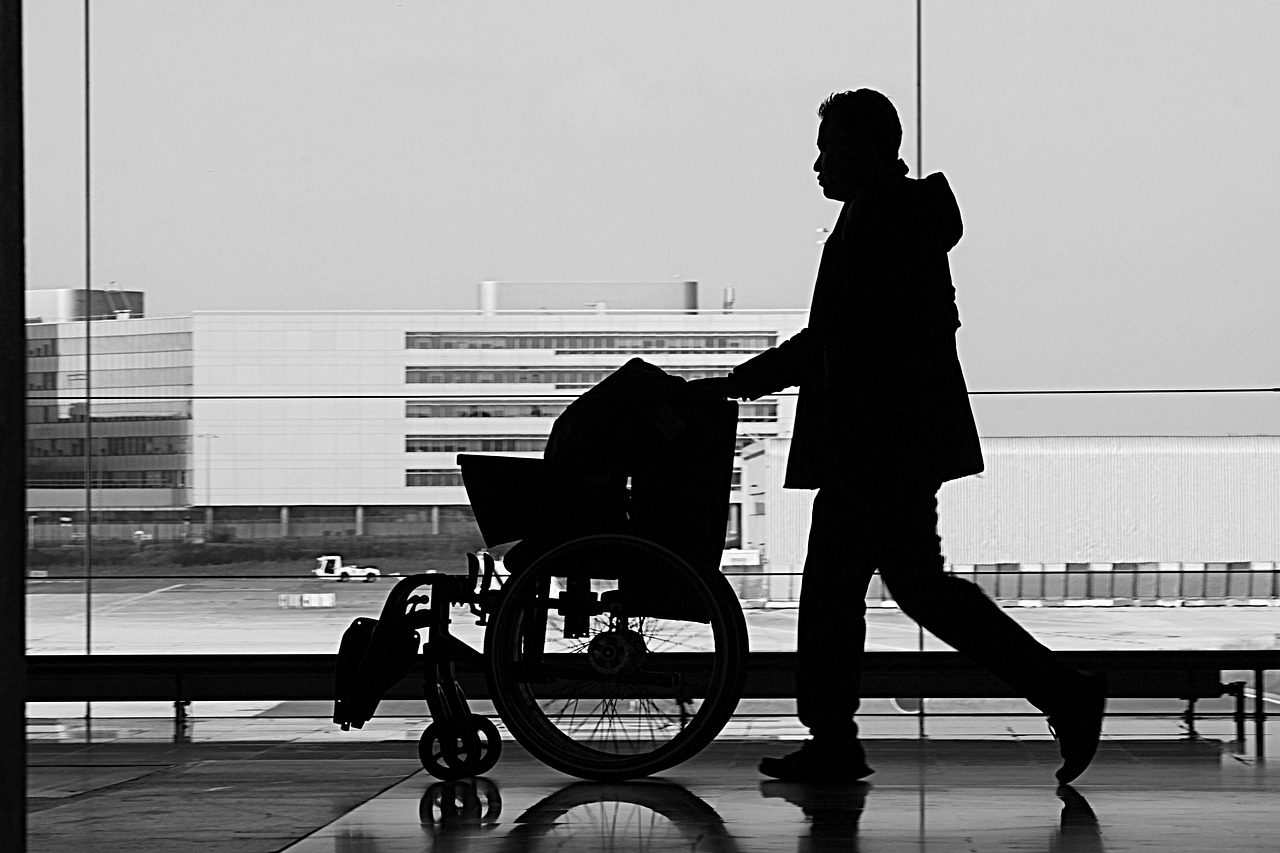
Airport wheelchair and special assistance for medical travelers — how to book it, what to expect at each step, and what to tell the airline. (Nov 2026)
Short answer (as of November 2026): Airports are long, crowded and tiring even for healthy travellers — for a patient, they can be the hardest part of the whole journey. Airport wheelchair and special assistance exists exactly for this: free help from the airport and the airline, taking a patient from check-in to the aircraft door and to the arrivals hall on the other side.
Airports are long, crowded and tiring even for healthy travellers — for a patient, they can be the hardest part of the whole journey. Airport wheelchair and special assistance exists exactly for this: free help from the airport and the airline, taking a patient from check-in to the aircraft door and to the arrivals hall on the other side. It is available to any passenger with reduced mobility, including post-surgery patients, elderly travellers, and people who cannot walk long distances — but it must be booked in advance, and it works only if the airline knows what you need. This guide explains how to arrange it, what to expect at each step, and what to tell the airline so nothing is left to chance.
What Special Assistance Covers
Special assistance usually covers a wheelchair and a trained staff member who stays with the patient through the airport. At departure, the assistant meets you at check-in or at a designated assistance point, helps you through security and immigration, and takes you to the gate — often through a shorter queue. At boarding, the patient is usually boarded first and helped to the seat. On arrival, the assistant meets the aircraft, helps the patient off, and takes them through immigration and baggage collection to the exit, where the family or the hospital transfer is waiting. The service is free on almost all international airlines — it is a legal requirement, not a favour — so never let anyone charge you for a wheelchair at the airport. Families planning the wider trip can read our patient journey guide to see where airport assistance fits into the journey.
How to Book It — and When
Book assistance at the same time as the ticket, or at least 48 hours before departure — that is the notice most airlines ask for, and it is the only way to guarantee the service is ready. When you book, tell the airline or travel agent exactly what the patient needs: can they walk a short distance, can they climb aircraft steps, do they need to be carried, do they travel with oxygen or a stretcher? Ask for the assistance request to be written into the booking, and ask for written confirmation, not just a verbal promise. On the day of travel, arrive at the airport at least three hours before an international flight and go straight to the assistance desk or check-in counter; do not wait at the entrance hoping someone will find you.
At the Airport: Departure and Arrival
At departure, the assistant will usually take the patient in a wheelchair while the attendant walks alongside with the hand luggage. Keep the patient's passport, ticket, medical reports and medicines in a small bag that stays with the patient at all times — never put medicines in checked luggage. On the aircraft, tell the cabin crew about any medical need: a patient who must stand and move regularly, or who needs help to the toilet, should say so before take-off. On arrival, the patient stays seated until the assistant arrives — this can take ten to twenty minutes, so do not worry if the cabin empties first. The assistant will take the patient through the arrival process and to the meeting point outside. If you have arranged a hospital pickup, share the flight number and the expected delay with the driver in advance, because assistance can add time at both ends.
Special Cases: Oxygen, Stretchers and Medical Equipment
Patients travelling with oxygen, a stretcher, or bulky medical equipment need extra arrangements and earlier notice — usually at least 72 hours, and sometimes a medical clearance form signed by the treating doctor. Airlines provide their own approved oxygen on board; personal oxygen cylinders are normally not allowed, so ask the airline what it supplies and what it charges. Wheelchairs of your own — manual or powered — can usually travel free as checked baggage, but the battery of a powered wheelchair must be declared and sometimes disconnected, so tell the airline the make and battery type when you book. For any of these cases, get the airline's decision in writing and carry it with the ticket. If the rules feel confusing, you can ask about treatment travel planning and we will help you work through the airline's requirements.
Frequently Asked Questions
Is airport wheelchair assistance free?
Yes. Wheelchair and special assistance at the airport is free on almost all international airlines and is a legal requirement in most countries. Never pay anyone who offers to sell you a wheelchair service at the airport.
How far in advance should I book special assistance?
Book it when you buy the ticket, and at least 48 hours before departure. Oxygen and stretcher cases need at least 72 hours and a doctor's medical clearance form, so start those requests as early as possible.
Can the attendant travel with the patient through the airport?
Yes. The attendant normally stays with the patient through check-in, security and boarding, and meets them on arrival. Tell the airline in advance that an attendant is travelling, so the assistance is arranged for the pair, not just the patient.
What if the wheelchair is not waiting when we land?
Stay seated and ask the cabin crew to call the airport assistance team. Delays of ten to twenty minutes are common, especially on busy flights. Keep the airline's assistance confirmation with you — it is the reference the ground staff will ask for.
How Archon Healthcare Can Help
Archon Healthcare is Bangladesh's trusted bridge to world-class hospitals in China, Pakistan, Korea, Thailand, and beyond. We provide hospital referrals, treatment planning, transparent costing, medical visa assistance, and post-treatment follow-up.
Complete support beyond the hospital — in any country: Archon Healthcare does not stop at hospital referrals. Wherever your treatment takes you — Pakistan, China, Thailand, South Korea, Singapore, or any other country — we also arrange the practical side of the journey for our patients and their families:
- Trip arrangements — end-to-end planning of your medical trip, from schedule to return.
- Accommodation — comfortable stays near your hospital for the patient and attendants.
- Transportation & rides — airport pickup and local transport for hospital visits and follow-ups.
One team coordinates your treatment and your travel, so you can focus only on getting better.
📩 Contact us: info@archonhc.com
🌐 Website: archonhc.com
Explore Archon Healthcare
- Your patient journey in six steps — from first message to follow-up care back in Dhaka.
- Partner hospitals — Modern Cancer, Gil, Bayındır and Zhujiang.
- Partner with us — hospitals, clinics, corporates and referral partners.
- Archon Healthcare home — treatment areas, destinations and the Find Your Treatment Path tool.
Related articles
Ready to start?
It begins with a simple message — send your reports or just describe your case.
FOLLOW US
We're on your favourite apps too.
You've been exploring for a bit — follow Archon Healthcare for treatment guides, hospital updates and patient stories. Pick any platform: