Guides · Kidney Transplant
Kidney Transplant Hospital in Islamabad for Bangladeshi Patients
Yes, a kidney transplant hospital in Islamabad for Bangladeshi patients is a real option, and the city has several hospitals with transplant units. The donor must be a close family member. The hospital checks that relationship under Pakistan law before anything moves forward, and a coordinator handles the referral, the visa letter, travel, and follow-up.
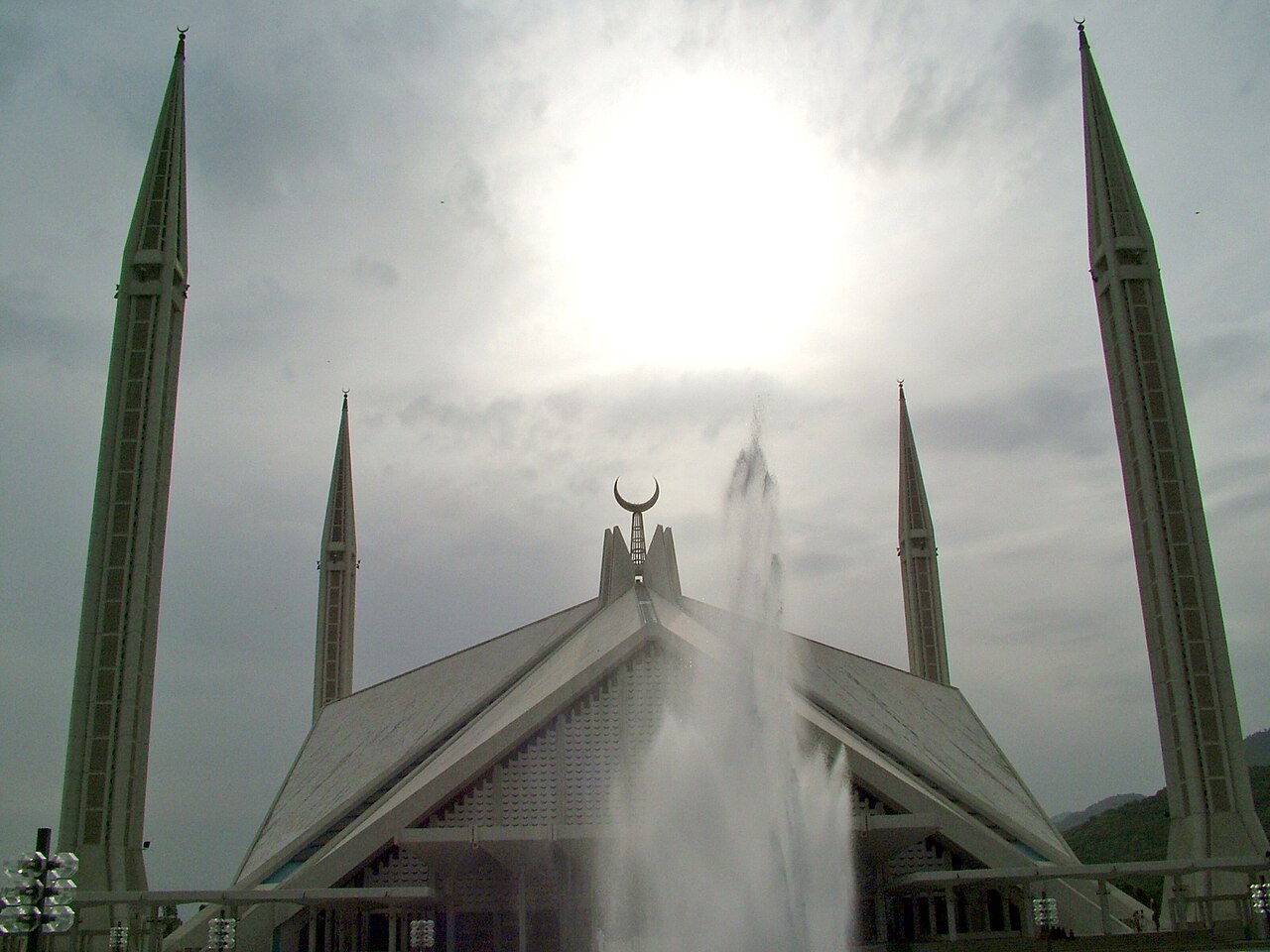
Islamabad, Pakistan. Photo: Guilhem Vellut, CC BY 2.0, via Wikimedia Commons.
Islamabad is one of the main places Bangladeshi patients go for a kidney transplant. The reasons are practical: the flight from Dhaka is short, the hospitals have experience with foreign patients, and the workup moves faster than in many other destinations. This guide covers how to choose a hospital there, what the law requires, what papers you need, and what the trip looks like from first message to follow-up back home.
How to choose a kidney transplant hospital in Islamabad for Bangladeshi patients
Islamabad and the neighbouring Rawalpindi area have several private hospitals with transplant units, and Bahria Town has grown into a medical hub for transplant patients. This guide does not name individual hospitals. Our published list names only hospitals with a signed agreement, and the Pakistan kidney lane has not reached that stage yet. What matters more than a name is how the hospital works: it should hold registration with the Human Organ Transplantation Authority, run a high volume of transplants, keep a desk for international patients, give a written estimate, and let you speak with the surgeon before you travel. A facilitator should share verification papers before you pay anything. Our guide to how Archon Healthcare vets partner hospitals explains the checks we run.
Is a kidney transplant in Islamabad legal for a Bangladeshi patient?
Yes, when the donor is a family member. Pakistan law bans commercial dealing in organs under the Transplantation of Human Organs and Tissues Act 2010. Every transplant needs approval from the hospital evaluation committee and registration with the Human Organ Transplantation Authority (HOTA). The donor relationship must be proved with papers, the donor is examined apart from the patient, and the donor must agree freely. The World Health Organization sets the same basic rule everywhere: organs come from voluntary donors, never from trade. If anyone offers to find you a donor for money, walk away. That is illegal in both countries, and no hospital will touch such a case.
How much does a kidney transplant in Islamabad cost for a Bangladeshi patient?
The honest answer is that it depends on the hospital and the case, and any number you read online is only a starting point. A package usually covers the donor and recipient workup, the surgery, the hospital stay, and early follow-up. Flights, stay, food, and medicines after discharge sit outside the package. Archon gets the written estimate from the hospital before you travel, line by line, so you know what is included and what is not. The surgical package typically ranges from $15,000 to $16,000, per our 2026 cost guide. Our kidney transplant cost in Pakistan page explains how to read an estimate line by line.
What documents does a Bangladeshi patient need?
Start the file early. Hospitals and embassies both ask for the same set, and a missing paper is the most common reason a case stalls.
- Passport valid for 6 months or more, with blank pages.
- Recent medical reports: creatinine trend, dialysis records, blood group, and HLA typing if already done.
- Donor identity papers and proof of relationship, such as a national ID, birth certificate, or family certificate.
- Hospital evaluation forms and HOTA registration papers, issued once the case is accepted.
- Hospital invitation letter for the medical visa.
- Proof of funds: bank statements and a solvency certificate.
The visa file starts only after the hospital accepts the case, since the invitation letter comes from the hospital. Our medical visa guide covers the invitation letter and the document set, and the Pakistan medical visa documents page lists the Pakistan file in full.
How long does the trip take?
The workup usually takes 5 to 7 days, with donor and recipient checks running in parallel. Surgery follows once the committee approves and the crossmatch is clear. Most patients stay in hospital for about a week after surgery, then spend a few more days in Islamabad for follow-up before flying home. Plan for roughly three to four weeks in total, and keep the return ticket flexible in case recovery runs long. Patients who are still on dialysis while they plan can read our guide to dialysis in Pakistan for Bangladeshi patients.
Can my family member donate a kidney in Islamabad?
Yes, if the donor is a close family member, is medically fit, and agrees freely. Parents, siblings, spouses, and adult children are the usual donors. The donor goes through blood tests, HLA typing, crossmatch, and a separate medical review. The donor team works apart from the recipient team, so the donor gets an independent say. If the crossmatch is positive or the donor is not fit, the transplant does not go ahead. Our family kidney donor travel guide for Pakistan covers the donor journey in more detail.
Where do patients stay in Islamabad?
Most transplant hospitals sit in or near Bahria Town and central Islamabad, and guesthouses and serviced apartments cluster around them. Patients usually stay close to the hospital for the first two weeks after discharge, with the attendant in the same place. Archon arranges the stay near the hospital and the rides to follow-up visits, so the patient is never far from the team. See our Pakistan destination guide for travel notes.
How Archon Healthcare helps
We review your reports, refer you to a hospital we have checked, and get the written estimate from the hospital before you travel. Then we handle the invitation letter and the visa file, the flights and stay, and the attendant arrangements. After you return to Dhaka, we coordinate follow-up with your nephrologist and keep the Islamabad team in the loop. Read how the journey works on our kidney transplant treatment page, and the family donor legality FAQ for the legal questions patients ask most.
Frequently asked questions
Do I need a donor before I contact a hospital? Yes. The donor must be a family member you already have. Nobody can find a donor for you, and any offer to do so is a reason to walk away.
How do I check if an Islamabad hospital is genuine? Ask for its HOTA registration, the names of the surgeons, a written cost estimate, and the evaluation committee process. A real hospital answers these in writing.
Can I travel on a tourist visa for a transplant? No. You need a medical visa on the hospital invitation letter. The visa file starts only after the hospital accepts the case.
What happens after I return to Bangladesh? Your nephrologist takes over follow-up care. Reports go back to the Islamabad team, and Archon Healthcare coordinates that follow-up.
This guide is general information, not medical advice. Your nephrologist decides whether a transplant is right for you.
Discuss your case with us — free
Share your reports and get an honest opinion: the right hospital, the written estimate, and whether you should travel at all.
Chat on WhatsAppEmail Us