Archon Healthcare › Blog › General Medical Tourism Guides
Treatment Abroad as a Senior Patient
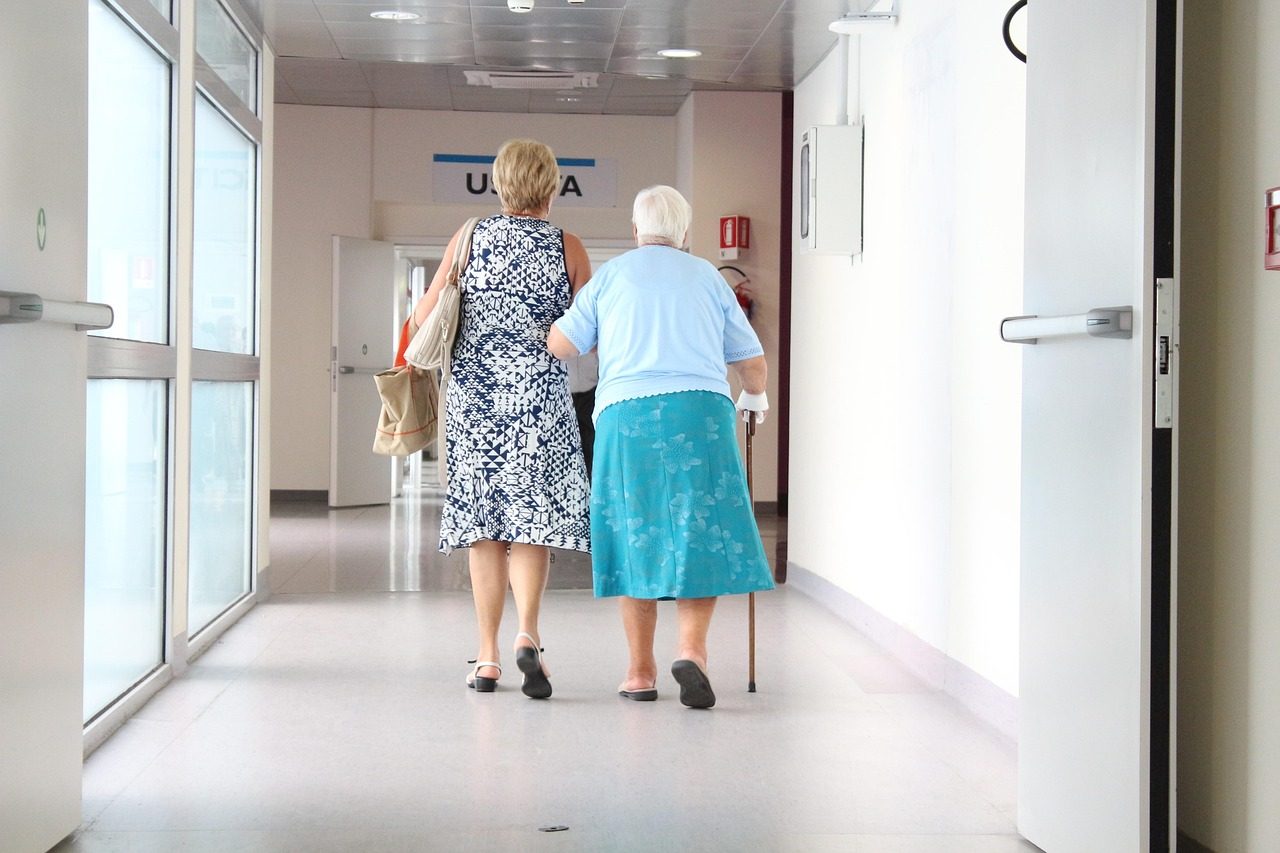
Treatment abroad as a senior patient — fitness checks, travel planning, medicines, and what families should arrange before an elderly parent travels. (Nov 2026)
Short answer (as of November 2026): When the patient is your elderly father or mother, the planning changes — the treatment matters, but so does every step around it. Treatment abroad as a senior patient needs more care than the same journey: fitness must be checked honestly, flights chosen for comfort, medicines planned for the whole trip, and a trusted family member travelling alongside.
When the patient is your elderly father or mother, the planning changes — the treatment matters, but so does every step around it. Treatment abroad as a senior patient needs more care than the same journey: fitness must be checked honestly, flights chosen for comfort, medicines planned for the whole trip, and a trusted family member travelling alongside. This guide explains what families should plan for, so an elderly patient travels safely and returns home with the treatment — and the energy — they need.
Note: this article is general information for planning purposes and is not medical advice. Only the treating doctor can judge whether an elderly patient is fit to travel or to undergo a procedure.
Start with Fitness to Travel, Not with the Ticket
Before booking anything, ask the patient's Bangladeshi doctor — and then the hospital abroad — whether the patient is fit to fly and fit for the proposed treatment. Older patients often carry several conditions at once: diabetes, high blood pressure, heart disease, kidney problems, or breathing difficulty. Any one of them can change what treatment is safe, and the hospital abroad will want to know all of them before it agrees a plan. An online consultation is the right first step: share the full medical history, the complete medicine list, and recent test results, and ask the hospital directly whether it accepts patients of this age with these conditions. Families who want the full picture can read our patient journey guide to see how the fitness check fits into the journey.
Travel Planning for an Elderly Patient
Choose the journey for the patient, not for the fare. A direct flight is almost always worth the extra cost for a senior patient: every connection adds hours, walking, waiting and confusion. Book a daytime flight if possible, and request a wheelchair and special assistance at the airport — it is free, and it should be booked at least 48 hours before departure. Plan the arrival carefully: the patient should go straight from the airport to the hotel or hospital, not on a sightseeing detour, and the first hospital visit should be scheduled for the next day, not the day of arrival. Pack medicines in hand luggage, with a few days' extra supply and the prescriptions, and keep a written list of all medicines, doses and allergies in English in the patient's pocket. If the patient uses a walking aid, hearing aid or glasses, carry spares where possible — replacing them abroad takes time.
Who Should Travel, and What They Should Do
An elderly patient should never travel alone for treatment. The attendant should be someone the patient trusts and listens to, who can speak for them when they are tired or unwell, and who can make decisions with the doctors. Before travelling, the family should agree in writing who decides what: who signs consent forms if the patient cannot, who handles money, and who the hospital should call in an emergency. The attendant should carry copies of the patient's passport, medical reports, insurance details, and the contact numbers of the family back in Dhaka. Tell the hospital in advance that the patient is elderly and who the attendant is; the hospital will usually allow the attendant to stay close and will explain the treatment plan to both of them together. Our attendant's complete guide covers the attendant's role in more detail.
Money, Medicines and the Return Home
Budget for a longer stay than the hospital's shortest estimate: elderly patients recover more slowly, and a follow-up visit or an extra night in hospital is common. Keep a reserve for that extra time, and check in advance whether the hospital charges differently for older patients or for longer stays. Before the return flight, ask the hospital for a discharge summary in English, a list of medicines to continue, and written instructions for the patient's Bangladeshi doctor — and check that the patient is fit to fly before you confirm the return ticket. On arrival home, take the patient to their Bangladeshi doctor within a week, with the discharge summary and all test results, so local follow-up starts without a gap. If the patient's condition changes during the flight or in the first days at home, contact the doctor immediately rather than waiting for the scheduled visit. You can also ask about treatment planning support when you are arranging a trip for an elderly parent.
Frequently Asked Questions
Is there an age limit for treatment abroad?
There is no fixed age limit. What matters is the patient's overall fitness, not the number of years. The treating hospital decides after reviewing the medical history, and it may ask for extra heart or lung tests before agreeing a plan.
Should an elderly patient travel alone for treatment?
No. An elderly patient should always travel with a trusted attendant who can speak for them, manage documents and medicines, and make decisions with the doctors. Check that the hospital and the visa allow an attendant to travel.
What medicines should we carry for a senior patient?
Carry the full course in hand luggage, with a few days' extra supply, the original prescriptions, and a written list of medicines, doses and allergies in English. Never put medicines in checked luggage.
How long should we plan to stay abroad with an elderly patient?
Plan for longer than the hospital's shortest estimate. Elderly patients often recover more slowly and need an extra follow-up visit, so budget for extra days and keep a cash reserve for them.
How Archon Healthcare Can Help
Archon Healthcare is Bangladesh's trusted bridge to world-class hospitals in China, Pakistan, Korea, Thailand, and beyond. We provide hospital referrals, treatment planning, transparent costing, medical visa assistance, and post-treatment follow-up.
Complete support beyond the hospital — in any country: Archon Healthcare does not stop at hospital referrals. Wherever your treatment takes you — Pakistan, China, Thailand, South Korea, Singapore, or any other country — we also arrange the practical side of the journey for our patients and their families:
- Trip arrangements — end-to-end planning of your medical trip, from schedule to return.
- Accommodation — comfortable stays near your hospital for the patient and attendants.
- Transportation & rides — airport pickup and local transport for hospital visits and follow-ups.
One team coordinates your treatment and your travel, so you can focus only on getting better.
📩 Contact us: info@archonhc.com
🌐 Website: archonhc.com
Explore Archon Healthcare
- Your patient journey in six steps — from first message to follow-up care back in Dhaka.
- Partner hospitals — Modern Cancer, Gil, Bayındır and Zhujiang.
- Partner with us — hospitals, clinics, corporates and referral partners.
- Archon Healthcare home — treatment areas, destinations and the Find Your Treatment Path tool.
Related articles
Ready to start?
It begins with a simple message — send your reports or just describe your case.
FOLLOW US
We're on your favourite apps too.
You've been exploring for a bit — follow Archon Healthcare for treatment guides, hospital updates and patient stories. Pick any platform: