China · Cancer
Lung Cancer Treatment in China for Bangladeshi Patients
A lung cancer diagnosis leaves a family with two urgent questions: where can we get good treatment, and how do we get there in time? For many Bangladeshi families, China has become one of the serious options. This guide explains how lung cancer treatment in China works for a Bangladeshi patient, from the first reports sent from Dhaka to follow-up after returning home.
Short answer: Yes. Bangladeshi patients travel to China for lung cancer treatment, usually to international-patient cancer hospitals in Guangzhou. The route is records review from Dhaka, a written plan and estimate, a hospital invitation letter for the visa, treatment in China, then follow-up at home. The exact plan depends on the stage and biopsy, so it is set only after the Chinese team reviews the case.
What lung cancer treatments are available in China?
Chinese cancer hospitals treat lung cancer with the same main approaches used elsewhere: surgery for early-stage disease, chemotherapy, radiotherapy, targeted therapy for tumours with specific genetic changes, and immunotherapy. Many centres also run an interventional oncology service, which covers minimally invasive procedures such as cryoablation, where a tumour is frozen, and NanoKnife, which uses electrical pulses on tumours that sit too close to major blood vessels for surgery. Which of these applies depends on the type of lung cancer, the stage, and the biopsy and molecular test results. A multidisciplinary team, usually an oncologist together with a surgeon, a radiologist and a pathologist, reviews the case and agrees the plan. No honest hospital fixes a plan before it has seen the scans and the biopsy report. The World Health Organization lists lung cancer among the leading causes of cancer death worldwide, which is why early review of the full case matters so much. You can read the WHO fact sheet on lung cancer for the background, and the US National Cancer Institute's lung cancer pages for how the main treatment types work.
Which hospital in China treats lung cancer for international patients?
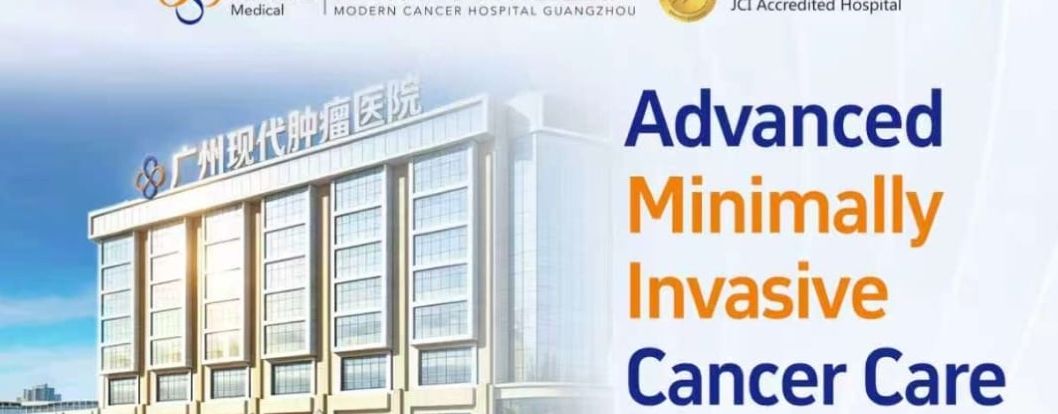
Guangzhou has the most experience with Bangladeshi cancer patients, and Modern Cancer Hospital Guangzhou is the centre Archon works with most closely there. It runs a dedicated international patient department, its teams work through multidisciplinary review, and much of its lung cancer work is minimally invasive. You can read more on the hospital's own website at moderncancerhospital.com. When you compare hospitals, check four things: a real international patient department, English-speaking coordinators, a written treatment plan and estimate before you travel, and a team that reviews your biopsy slides themselves rather than accepting the diagnosis on paper. A hospital that skips the records review and asks you to fly in first is one to be careful about. Our guide to the best cancer hospitals in Guangzhou for Bangladeshi patients explains the comparison in more detail.
How much does lung cancer treatment in China cost?
There is no fixed price for lung cancer treatment, because the cost follows the stage and the plan. A small early-stage tumour treated with one procedure costs far less than advanced disease needing several months of combined treatment. The reliable way to get a number is the records review: the hospital studies your scans and biopsy, then issues a written estimate for your case. Archon confirms that estimate in writing with the hospital before you travel, so the figure you plan around is the hospital's own, not a website's. [FIGURE TO CONFIRM: typical cost range for lung cancer treatment in China for Bangladeshi patients.] For how estimates are built and what they usually include, read our page on how cancer treatment costs in China are estimated.
How do I get a medical visa for lung cancer treatment in China?
The visa starts with the hospital, not the embassy. Once the hospital accepts your case, it issues an invitation letter with your details, the planned treatment and the dates. That letter supports the S2 medical visa application at the Chinese mission in Dhaka. The usual file is a passport valid for six months or more, the invitation letter, a medical summary with the treatment plan and estimate, proof of funds, and a return booking. From complete documents to visa in hand, allow 5 to 15 working days, and do not book non-refundable travel before the visa is issued. Our medical visa guide and the guide to a medical visa for cancer treatment in China walk through the documents in detail.
How long will lung cancer treatment in China take?
The first one to three weeks happen in Dhaka, while the hospital reviews your records and the visa is processed. After arrival, the first days go to the hospital's own diagnostics: fresh blood work and imaging, and a review of your biopsy slides by their pathologists. Active treatment then runs for weeks to months, depending on the approach. A focused interventional course can take about a month; combined treatment with immunotherapy or radiotherapy cycles can take three to four months. After discharge, follow-up continues from Bangladesh: scans and labs done locally, reports shared with the Chinese team, and your Bangladeshi oncologist managing day-to-day care. Our cancer treatment timeline in China lays out each phase.
Can a family member travel with the patient?
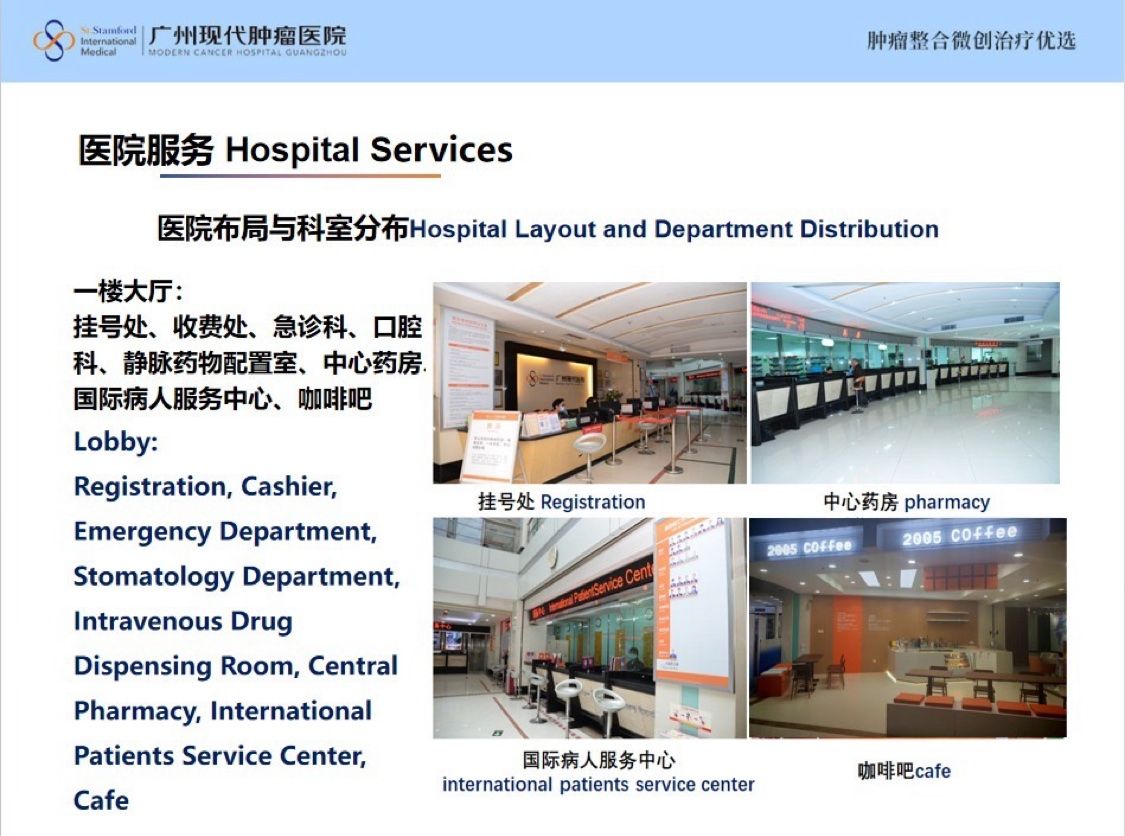
Yes, and for lung cancer treatment the hospital expects it. One attendant usually travels with the patient, on a medical attendant visa tied to the same invitation letter. The attendant needs their own passport, proof of funds and proof of relationship with the patient. Accommodation near the hospital is normally arranged in advance, and the international department can suggest options. If language is a worry, confirm interpreter support before you fly: international departments have English-speaking coordinators, though ward-level communication sometimes needs translation help. More on the practical side is in our overview of treatment in China.
Frequently asked questions
Do I need to speak Chinese to get lung cancer treatment in China? Not for the medical discussions. International departments have English-speaking coordinators who handle the plan, the consent forms and the billing. Day-to-day ward communication can need translation support, so confirm interpreter arrangements before you travel and keep a translation app on your phone.
What reports should I send first? Send recent CT or PET scans, the biopsy and histopathology report, blood work, and a short summary from your oncologist. If molecular or biomarker testing has been done, include those results: they decide whether targeted therapy or immunotherapy is an option. Clear scans matter more than a long file.
Can I get a second opinion before travelling? Yes, and the records review is effectively that. The Chinese team studies your case and returns a preliminary plan and estimate. You can also ask another hospital for a second opinion before committing, and you should, if the first plan raises questions.
What happens after I return to Dhaka? Follow-up scans and labs happen locally at the intervals the Chinese team sets, often every three months in the first year. Reports go back to the Chinese team for review, while your Bangladeshi oncologist manages ongoing care and any complications. Keep the discharge summary and the full imaging history together: they are the bridge between the two teams.
How Archon Healthcare can help
Archon Healthcare is a Dhaka-based facilitator for Bangladeshi patients. For lung cancer, that means records review with the hospital, a written plan and estimate before travel, the invitation letter and visa documents, travel and accommodation planning, and follow-up coordination after you return. We work directly with the hospital, and the treatment contract and billing stay with the hospital.
This article is general information, not medical advice. Lung cancer treatment decisions belong to the treating oncologist and the patient, based on the full case. Your treating team's instructions always override anything you read here.
Discuss your case with us — free
Share your reports and get an honest opinion: the right hospital, the written estimate, and whether you should travel at all.
Chat on WhatsAppEmail Us