Cancer Treatment · China
How to get cancer treatment in China from Bangladesh
A cancer diagnosis leaves a family with two questions at once: where can we get the right treatment, and how do we get there? For many Bangladeshi families, the answer has become China, and this guide explains how to get cancer treatment in China from Bangladesh, step by step.
To get cancer treatment in China from Bangladesh, send your scans and reports to a Chinese hospital for review. The oncology board replies with a written treatment plan and cost estimate, usually within 3 to 5 working days. You then receive a hospital invitation letter, apply for a Chinese medical visa, and travel. You pay the hospital directly.
How to get cancer treatment in China from Bangladesh
It starts with your reports. Book nothing until the hospital has reviewed them. Gather your recent scans (CT, MRI, or PET-CT), the biopsy or pathology report, blood tests, and a short note on treatment you have already had. Send these to the hospital's international patient department. A coordinator checks the file is complete, then the oncology board reviews it. The review usually takes 3 to 5 working days. What comes back is a written plan: the treatment the board recommends, the expected hospital stay, and an itemised cost estimate. You decide only after you have that paper in hand. Archon Healthcare coordinates this part for Bangladeshi families: we collect the file, send it to the hospital, and bring the written plan back to you.
Which hospitals in China treat Bangladeshi cancer patients?
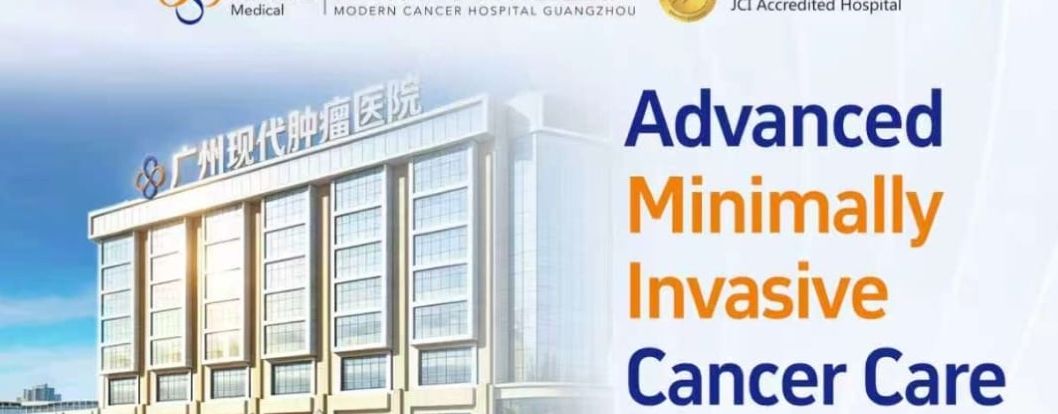
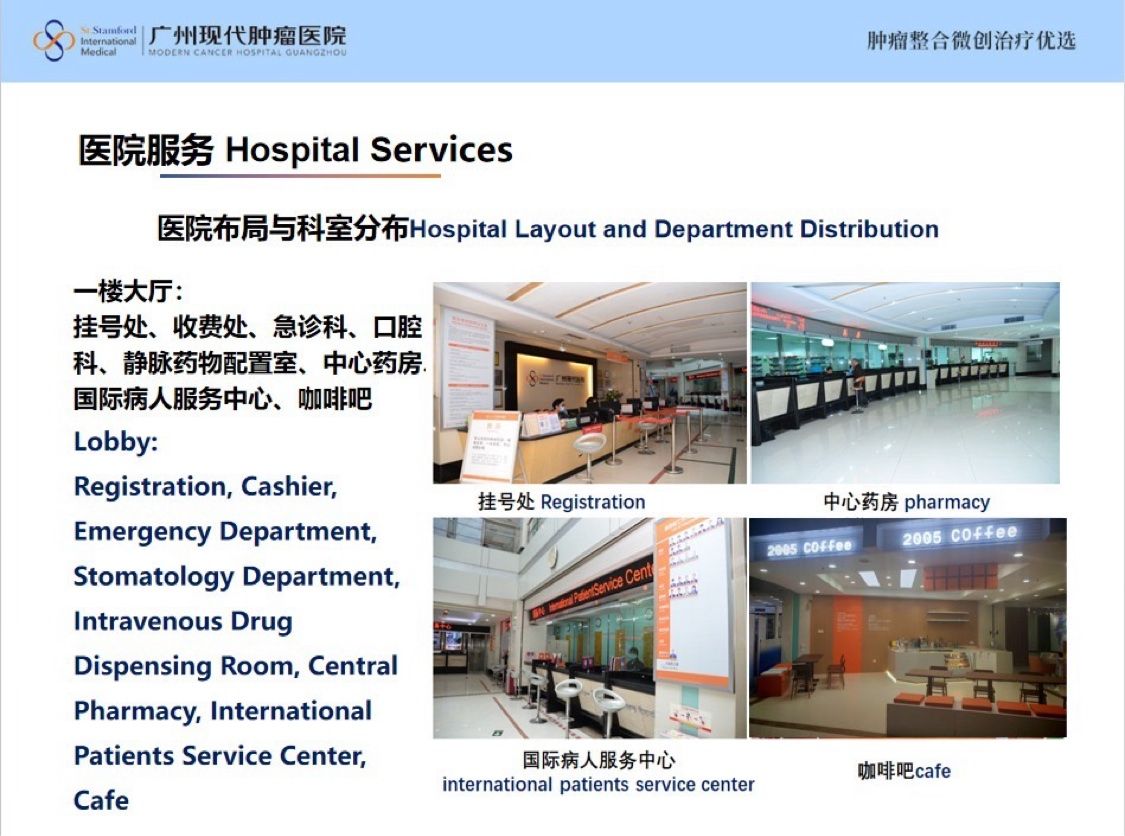
Guangzhou is where most Bangladeshi cancer patients go, because the city has a cluster of oncology centres with international patient departments. Modern Cancer Hospital Guangzhou is one of them, and Archon Healthcare holds a signed agreement with it. The hospital publishes its own treatment information on its official site. Zhujiang Hospital in Guangzhou is another centre we work with. What matters more than the name is the department behind it: an oncology board that reviews scans before quoting, English-speaking coordinators, and a written estimate. If a hospital will not review your scans first, that tells you something. Read our guide to the best cancer hospitals in Guangzhou and the treatment options in China before you choose.
How much does cancer treatment in China cost?
There is no single price for cancer treatment. The cost follows the cancer type, the stage, the size and place of the tumour, and the treatment the board recommends. The published bands on our cancer treatment costs in China page give a sense of scale: cryoablation from about $10,000 per session, NanoKnife from about $20,000 per session, up to $60,000 in complex cases, brachytherapy from about $6,000, microwave ablation around $7,300 per session, and microvascular intervention roughly $5,000 to $10,000. Treat these as planning figures. Your quote comes from the board review of your own scans. Ask what the estimate leaves out. Take-home medicines, extra sessions, extended ICU days, and the companion's stay usually sit outside it. Chemotherapy pricing is a separate question; our comparison of chemotherapy costs in China compared with Bangladesh covers that side. The World Health Organization's cancer fact sheet is a useful plain-language reference on the disease itself.
Do I need a medical visa for cancer treatment in China?
Yes. Cancer patients travel on a Chinese S2 medical visa, and it starts with the hospital invitation letter. The hospital issues the letter once your case is accepted. It names the patient and the attendant, the planned treatment, and the dates. With the letter you apply at the Dhaka mission with your passport, medical summary and estimate, proof of funds, and return booking. Fees run roughly BDT 12,000 to 30,000 depending on entries and processing speed, and the visa usually takes 5 to 15 working days. Apply early and never book non-refundable travel before the visa is in hand. Visa applications go through the official Chinese Visa Application Service Center. Our medical visa guide for Bangladeshis covers the full document set and the common refusal reasons.
What documents do I need for cancer treatment in China?
Keep one folder with everything, originals and copies: a passport valid for at least six months; recent scans (CT, MRI, or PET-CT) on disc and as reports; the biopsy or pathology report; blood tests; a list of medicines you take; and the hospital invitation letter. The hospital also asks for proof of funds, usually bank statements and a solvency certificate. If someone travels with you, their passport and proof of relationship go in the same folder. Missing scans cause more delay than any other single thing, so check the disc opens before you send it.
How long does it take to get cancer treatment in China?
From case acceptance to travel, allow 2 to 4 weeks for paperwork, visa, and planning. The board review itself is the quick part, at 3 to 5 working days. Treatment time varies with the plan. A single ablation session can mean a stay of about a week, while multi-modality treatment stretches to several weeks. Build buffer around the visa and the return flight. Our treatment timeline in China lays out the same journey week by week, and the patient journey page shows the six steps from first message to follow-up back in Dhaka.
Can I bring someone with me for cancer treatment in China?
Yes, and for most cancer treatment you should. Hospitals expect a companion for patients having procedures, and recovery without help is hard. Your attendant needs their own visa, usually a medical attendant category tied to your invitation letter, plus their own proof of funds and proof of relationship. Book their return flexibly, because your stay can extend. Brief them on the plan before you fly. A calm companion who knows what happens next is half the recovery.
What happens after I finish treatment in China?
The hospital gives you a discharge summary, scan results, and a follow-up plan before you leave. Bring all of it home, on paper and on disc. Your doctor in Dhaka picks up the follow-up from there. Some plans need a second visit to China, which means a fresh visa unless yours is multiple entry. If the board changes the plan mid-treatment, the change and its cost need your written approval first. That is the standing rule in every coordination we do.
Frequently asked questions
Can I get a second opinion from a Chinese hospital before traveling? Yes. Send your scans and reports. The board reviews them and replies in writing, usually within 3 to 5 working days. Sometimes the answer is that the treatment can be handled in Dhaka, and that is the honest answer you want before spending on flights.
Do I pay the hospital directly? Yes. Your treatment contract and billing are with the hospital. Archon Healthcare coordinates the case and never takes a cut of your medical bill.
What if the plan changes after I arrive? The oncology board may adjust the plan based on how you respond. Any change, and its cost, needs your written approval before it goes ahead.
Is the estimate I get before travel the final bill? It is the plan's price, itemised. Things outside the estimate, like extra sessions or extended ICU days, are charged separately if they happen. Ask what could change the number before you travel.
Key takeaways
- Send reports first. The board reviews them in 3 to 5 working days and replies with a written plan and estimate.
- Travel on a medical visa with the hospital invitation letter. Allow 2 to 4 weeks from acceptance to travel.
- Costs follow the case. Use the published bands for planning and the written estimate for the real number.
- Pay the hospital directly, and approve any plan change in writing first.
- Bring a companion. They need their own visa and proof of funds.
This guide is general information, not medical advice. Your oncologist decides what treatment fits your case.
Discuss your case with us, free
Share your reports and get an honest opinion: the right hospital, the written estimate, and whether you should travel at all.
Chat on WhatsAppEmail Us